

Marriage affects probate and asset transfer, and Florida law provides specific pathways for a surviving spouse. In fact, many of your shared assets may not need to go through a court process at all. A probate lawyer in Miami offers clarity on what happens with your property and finances after a spouse passes away.
Understanding the Probate Process for a Surviving Spouse
Probate is a court-supervised process used to settle a person’s final affairs after their death. It serves a few main purposes. The court validates the deceased person’s will if one exists. It also appoints a personal representative to formally manage the estate.
The personal representative gathers the deceased’s assets, pays any outstanding valid debts, and then transfers the remaining property to the rightful heirs or beneficiaries. This orderly process ensures everything is handled according to Florida law.
The journey through the probate and asset transfer process is a manageable one with proper guidance. For a surviving spouse, it’s often a very straightforward matter.
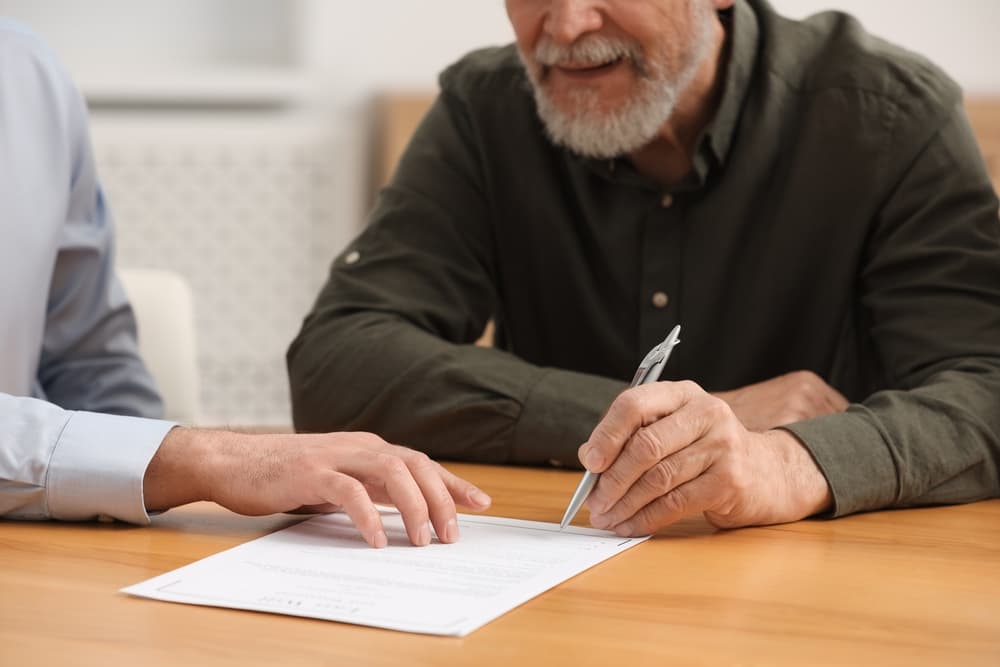
Why Is Probate Necessary for Some Assets?
You might wonder why a court needs to get involved at all, especially when you’re the surviving spouse. Probate is required for assets that were owned solely in the deceased spouse’s name. Without a joint owner or a beneficiary, there is no other legal mechanism to transfer that ownership.
For example, a bank account only in your spouse’s name is stuck in their name after their death. You can’t access the funds or close the account.
Probate provides the legal authority needed to move that asset from your deceased spouse’s name into yours or another heir’s. It creates a clear chain of title for property, which prevents issues later on.
Asset Transfer After a Spouse’s Death
A major source of anxiety after losing a partner is figuring out what happens to all the things you owned together. How marriage affects probate and asset transfer largely depends on how you and your spouse titled your property.
Many assets may transfer to you automatically without needing court involvement, allowing you to sidestep the main probate administration for a large portion of what you shared.
Which Assets Go Through Probate?
The probate process applies only to certain types of assets. These are assets owned individually by your deceased spouse that don’t have a pre-arranged, automatic transfer method. It’s a common misconception that everything a person owned gets pulled into a court case.
Only individually owned assets without a beneficiary designation are included. This might include a car titled only in their name or a bank account they opened alone years ago.
A piece of real estate owned solely by your late spouse that is not your primary home also falls into this category. The goal of probate is to retitle these specific items correctly.
Assets That Transfer Outside of Probate
Florida law recognizes the unique nature of marriage and how it relates to property. This structure simplifies asset transfer for the surviving partner after a spouse’s death.
Oftentimes, the most valuable parts of your shared life don’t require court administration. This is especially true for assets you held jointly.
These items below pass directly to the co-owner or named beneficiary:
- Jointly Owned Property: Many married couples in Florida own their home as Tenants by the Entireties, which gives the surviving spouse automatic ownership. This also applies to joint bank accounts and investment accounts.
- Accounts with Beneficiaries: Life insurance policies and retirement accounts like 401(k)s or IRAs transfer directly to the person named as the beneficiary on the account paperwork.
- Assets in a Living Trust: Any property your spouse has already placed into a living trust is controlled by the trust’s terms and avoids probate court.
Protecting Your Miami Home After Your Spouse’s Passing
For many people in Miami, their home is their most valuable asset and holds a lifetime of memories. The fear of losing your home after a spouse’s death causes immense stress. Florida law offers some of the strongest homestead protections in the country, especially for a surviving spouse.
These protections are a cornerstone of how marriage affects probate and asset transfer, providing stability when you need it most.
Whether your home is a condo overlooking Biscayne Bay or a house in a quiet neighborhood like Coconut Grove, the law aims to keep you in it. You have powerful rights that safeguard your residence.
Florida’s Homestead Protection for Spouses
Florida’s Constitution provides special protection for the home (homestead) you shared with your spouse. This protection generally prevents most unsecured creditors, like those for credit cards or medical bills, from forcing a sale of the property after your spouse passes away.
If the home was jointly owned as husband and wide (tenancy by the entirety), it typically transfers to you directly. If titled solely in your spouse’s name, you may still have strong rights under Florida law, though the process may require probate and depend on whether your spouse had children.
While these protections apply automatically, completing the legal steps to update title and confirm the homestead status in probate may still be necessary.
Clearing Title to Your Property in Miami-Dade County
You still need to update the property records even with automatic homestead protection. The title to your home needs to be officially retitled. This isn’t just a suggestion; it’s a necessary step to sell or mortgage the property in the future.
Clearing the title involves filing certain documents with the Miami-Dade County court. This might include a petition to determine homestead status.
An attorney helps prepare and file this paperwork.
Managing a Deceased Spouse’s Debts
Dealing with debt is another major worry when a spouse passes away. You may be unsure which debts you’re responsible for and how they get paid. Florida probate includes a clear process for handling creditor claims.
The rules are designed to be orderly and provide finality. For many older estates, the process is simpler than you might think.
Your Responsibility for Debts
A surviving spouse is generally not personally responsible for the individual debts of their deceased partner. For example, a credit card held only in your spouse’s name is their debt, not yours. The debt belongs to your spouse’s estate.
This means creditors are paid from the estate’s probate assets. If there aren’t enough probate assets to cover the bills, the debt often goes unpaid. Creditors cannot typically come after you for the remaining balance or seize non-probate assets like your life insurance payout or jointly owned home.

How Creditor Claims Work in Florida Probate
The probate process includes a formal notice period for creditors. A notice is published in a local newspaper to alert any potential creditors that they have a limited time to file a claim. An attorney also sends direct notice to any known or reasonably ascertainable creditors.
Here is the general flow for handling claims:
- Notice to Creditors: A formal notice is published to alert potential creditors about the death.
- Handling Claims: The personal representative reviews all submitted claims, and valid debts are paid from the estate’s probate assets before any distribution to heirs.
- Barring Old Claims: Importantly, if your spouse’s date of death was more than two years ago, all unsecured creditor claims are legally barred, and you don’t have to address them at all.
This two-year cutoff greatly simplifies probate for estates that were not opened immediately after death. It provides a definite end to any outstanding financial matters for older estates, allowing the asset transfer to a surviving spouse to proceed without delay.
How a Lawyer Helps With Probate and Asset Transfer for a Spouse
Navigating the probate court and asset transfer process is best done with a guide. A probate lawyer acts as your advocate and project manager. They handle the legal requirements so you can focus on your family.
A lawyer’s assistance isn’t about a legal fight but about ensuring a smooth and correct transition.
Managing the Entire Court Process
Your lawyer takes charge of the administrative side of probate, preparing all the necessary petitions and documents. They file them with the court, follow all deadlines, and see the process through to completion.
Identifying and Gathering Probate Assets
A lawyer helps you identify and inventory all individually owned assets subject to court administration. They assist in gathering these assets into the estate so they’re ready for transfer to you or other beneficiaries once all steps are complete.
Handling Communication With Creditors
Dealing with your late spouse’s creditors is an uncomfortable task. Your attorney may take over all communication. They manage the formal notice process and respond to any filed claims. They put a professional buffer between you and the companies seeking payment, relieving you of that burden.
Providing a Clear Path Forward
More than anything, a probate lawyer provides clarity. They explain each step of the probate and asset transfer process in plain language.
You get a roadmap of what to expect, how long it might take, and your role in the process. This transforms an uncertain situation into a series of manageable steps.
FAQ for How Marriage Affects Probate and Asset Transfer
Do I Have To Go Through Probate if I’m the Surviving Spouse?
You don’t always have to enter probate as a surviving spouse. Many married couples own most of their assets jointly, which allows those assets to transfer automatically to the surviving spouse without probate.
Probate is only necessary for assets owned solely in your deceased spouse’s name and that didn’t have a beneficiary listed.
What Happens if My Spouse’s Will Names Me as the Beneficiary?
If you are named as the primary beneficiary in a valid Florida will, the probate process exists to legally execute those wishes. Our role is to ensure the instructions in the will are followed efficiently and correctly, transferring the assets to you as intended. This provides a clear path forward and honors your spouse’s final wishes without complications.
How Are Bank Accounts Handled After a Spouse’s Death?
A jointly owned bank account immediately becomes the sole property of the surviving spouse. A Payable on Death (POD) account to you also transfers automatically.
An account owned only by your deceased spouse with no beneficiary will be frozen and must go through probate before the funds are released.
Am I Responsible for My Deceased Spouse’s Credit Card Debt?
In most situations, you’re not personally responsible for credit card debt that was only in your deceased spouse’s name. That debt belongs to your spouse’s estate, not to you. The estate must use its probate assets to pay any valid, outstanding debts.
The credit card debt often goes unpaid if there aren’t enough assets in the probate estate to cover the bills. Creditors cannot demand payment from your personal funds or take assets that passed directly to you outside of probate, like a life insurance policy or your protected homestead property.
Chart Your Path Forward
The probate process doesn’t have to be a source of stress; it can be a clear, orderly way to settle matters and give you peace of mind. If you’re a surviving spouse in the Miami area and need to transfer assets from your loved one’s name, Niebla Probate Firm can help.
Call (786) 599-1360 today to discuss your next steps. We will explain the path to respectfully and efficiently settling your loved one’s affairs without conflict.
